








Secure data destruction Boston is a paramount concern for local businesses, driven by stringent regulations like the Massachusetts Data Protection Act (MDPA) and global data privacy laws (GDPR, CCPA). Essential practices include:
– Data Minimization: Collecting & storing only essential data.
– Comprehensive Policies: Implementing robust data retention & disposal policies with regular audits.
– Advanced Techniques: Engaging specialized Boston services for permanent data erasure via degaussing, shredding, overwriting.
– Discreet Obliteration: Maintaining client trust by complying with regulations and safeguarding sensitive information.
– Regular Removal: Adopting cost-effective secure data erasure 1-3 times annually to mitigate risks of data breaches.
In the digital age, securing sensitive data is paramount for individuals and organizations alike. Yet, the mere existence of data poses a risk; its improper disposal can lead to severe privacy breaches. This is where secure data destruction in Boston steps into the spotlight as a critical practice to safeguard our digital landscape. The problem lies in the potential for unauthorized access to discarded data, especially with the increasing sophistication of cyber threats. Our article explores an innovative solution: implementing robust data destruction methods to ensure complete and permanent erasure, providing peace of mind in an ever-evolving cybersecurity environment.
- Understanding Data Privacy's Core Principles in Boston
- The Role of Secure Data Destruction in Data Protection
- Implementing Best Practices for Safe Data Eradication
- Legal and Ethical Considerations in Boston's Data Privacy Framework
Understanding Data Privacy's Core Principles in Boston

Data privacy is a multifaceted concept, with secure data destruction at its core. In Boston, where technological advancements and robust legal frameworks converge, understanding and implementing sound data privacy practices are paramount. At the heart of this lies the principle of data minimization, a cornerstone of effective data security strategies. This approach dictates that organizations should only collect, process, and store data that is strictly necessary for their operations, adhering to Boston’s stringent data privacy regulations.
Boston’s data security consultants emphasize the importance of establishing comprehensive data destruction policies and procedures as an integral part of any organization’s data management strategy. These policies should guide secure data clearinghouse practices, ensuring that sensitive information is disposed of in a manner that prevents unauthorized access or reconstruction. For instance, when a company merges with another, careful consideration must be given to the handling of combined datasets. Mergers present unique challenges, as they often involve the integration of diverse data systems and storage methods. Expert consultants recommend conducting thorough assessments to identify sensitive data across various platforms and implement tailored disposal options accordingly.
Effective data privacy in Boston involves a strategic approach that balances accessibility with security. Organizations should regularly review their data collection practices and engage in secure data clearinghouse initiatives, ensuring compliance with local regulations. By embracing data minimization principles, implementing robust destruction policies, and staying abreast of evolving data security trends, businesses can safeguard sensitive information while contributing to a more secure digital landscape in Boston.
The Role of Secure Data Destruction in Data Protection

In the realm of data privacy, securing information both during storage and after its lifecycle has become increasingly critical. One often overlooked yet vital component is secure data destruction—a process that ensures complete data privacy when handling sensitive information. Local data destruction services in Boston, for instance, have emerged as trusted partners for organizations seeking to safeguard their data against unauthorized access or misuse.
Secure data destruction goes beyond merely deleting files. It involves the complete and permanent erasure of all traces of data from storage devices and media. This becomes especially crucial when dealing with sensitive local data, such as personal identifiable information (PII) or protected health information (PHI). For example, a healthcare provider in Boston must ensure data security after termination to comply with HIPAA regulations, preventing any potential breaches that could compromise patient privacy. Reputable local data sanitization experts employ specialized techniques and technologies, including overwriting, shredding, and degaussing, to guarantee that data is irretrievable once destroyed.
The process of secure data destruction should be integrated into an organization’s overall data management strategy. This includes implementing robust policies and procedures for data retention and disposal. Organizations should regularly audit their data storage locations, ensuring that all devices and media are properly secured and destroyed after use. By engaging local data destruction services Boston companies can rest assured that their sensitive information is handled with the utmost care and in compliance with local regulations. This proactive approach not only protects against potential legal repercussions but also fosters trust among customers and stakeholders, demonstrating a commitment to maintaining the highest standards of data privacy.
Implementing Best Practices for Safe Data Eradication

In today’s digital age, where vast amounts of sensitive data are generated and stored, ensuring secure data destruction has become a paramount concern for businesses across Boston and Massachusetts as a whole. When organizations opt to dispose of data, whether through hardware retirement or digitizing obsolete records, it is imperative to implement best practices for safe data eradication to prevent unauthorized access and potential data breaches. This process goes beyond simple deletion, requiring comprehensive strategies to ensure that all data is permanently and irrecoverably destroyed.
One effective approach involves employing specialized data obliteration companies in MA Boston that utilize advanced technologies like degaussing, overwriting, and physical destruction to render data unreadable. For instance, secure data recycling services can wipe hard drives clean, ensuring no residual data remains accessible. Furthermore, data minimization principles should be embraced, focusing on collecting and storing only the essential information required for business operations. Boston-based data security consultants can guide organizations in implementing these principles, helping them stay compliant with regulations like GDPR and CCPA.
Secure data cleanup is a critical aspect of this process, requiring careful planning and execution. Organizations should consider engaging professionals who provide comprehensive data destruction services, including secure data cleanup as part of their portfolio. This ensures that all data trails are eliminated, from digital files to physical storage devices. By adhering to these practices, businesses can safeguard their sensitive information, maintain customer trust, and comply with legal requirements, fostering a culture of robust data security in Boston’s competitive market.
Legal and Ethical Considerations in Boston's Data Privacy Framework
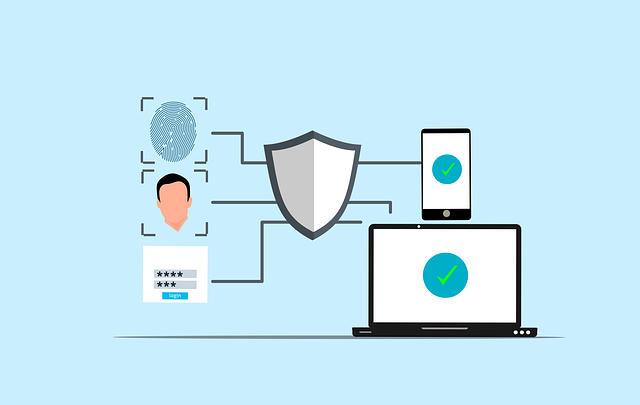
In Boston, as across the nation, the legal and ethical considerations surrounding data privacy have become increasingly complex. The city’s robust tech sector, coupled with stringent state laws like the Massachusetts Data Protection Act (MDPA), necessitates a deep understanding of secure data destruction practices. When organizations in Boston opt for discreet data obliteration, they not only comply with regulations but also safeguard sensitive information from unauthorized access, ensuring client trust and maintaining their reputation.
Cost-effective secure data removal is a strategic imperative for Boston businesses. Permanent record destruction, whether through on-site or offsite secure data erasure, plays a pivotal role in mitigating risks associated with data breaches. For instance, a recent study by the Ponemon Institute revealed that data breach costs worldwide averaged $4.24 million, highlighting the severe financial implications of non-compliance. Boston companies must adopt robust procedures like offsite secure data erasure 1-3 times annually to prevent such incidents and ensure continuous data privacy.
Ethical considerations further reinforce the importance of permanent record destruction. Organizations have a moral obligation to protect individuals’ privacy rights, especially in an era where personal data is akin to a valuable asset. Secure data destruction Boston firms implement, including discreet data obliteration and offsite secure data erasure, not only meet legal standards but also uphold ethical standards, fostering public trust and confidence in the tech sector. By prioritizing these practices, Boston can maintain its competitive edge while ensuring data privacy and security for all stakeholders.
In conclusion, this article has explored the multifaceted landscape of data privacy through destruction in Boston, underscoring the critical role of secure data destruction in safeguarding sensitive information. Key insights include the importance of understanding foundational principles, implementing best practices for safe data eradication, navigating legal and ethical considerations within Boston’s robust data privacy framework, and recognizing the synergistic relationship between these elements. By embracing secure data destruction Boston-style, organizations can not only comply with stringent regulations but also cultivate a culture of trust and transparency among their stakeholders. The practical takeaways offer a clear path forward, enabling professionals to revolutionize their data management strategies and contribute to a more secure digital future.