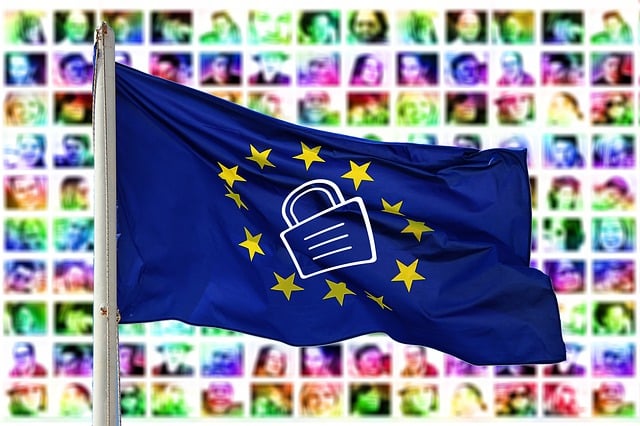







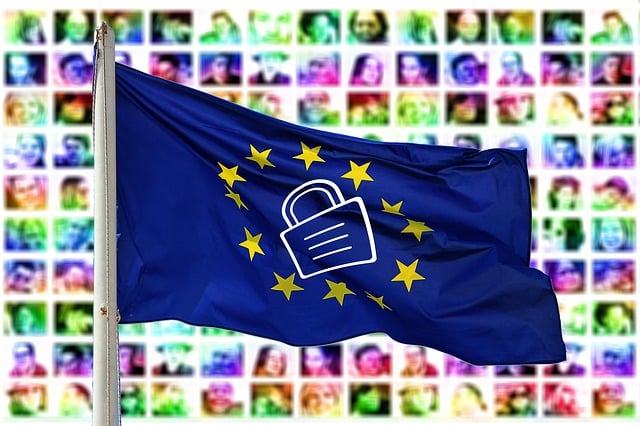
Boston's tech sector prioritizes secure data destruction through comprehensive lifecycle management, leveraging specialized techniques like offsite wiping and physical destruction. Experts in Massachusetts offer tailored solutions, including secure digital erasure and hardware shredding, ensuring compliance with stringent data privacy laws like GDPR. This proactive approach safeguards customer trust and minimizes risks from outdated data breaches.
In today’s digital age, securing sensitive data is paramount for organizations across sectors. However, the challenge lies in ensuring complete and secure data destruction when disposing of devices or media. This is where data sanitization experts come into play, offering crucial services to protect against data breaches in Boston and beyond.
The problem? Incomplete or improper data erasure can lead to severe security risks, with remnants of sensitive information falling into the wrong hands. The solution? Engaging specialized data sanitization professionals equipped with advanced tools and expertise ensures secure data destruction, mitigating potential risks and maintaining compliance with stringent regulations.
- Understanding Data Sanitization: The Boston Approach
- Secure Data Destruction: Techniques for Experts
- MA's Role: Ensuring Compliance through Sanitization
Understanding Data Sanitization: The Boston Approach

In the realm of data sanitization, especially within the bustling metropolis of Boston, organizations are increasingly recognizing the importance of secure data destruction—a critical aspect of their overall data security strategy. Data sanitization refers to the process of securely and permanently erasing or destroying sensitive information, ensuring it cannot be recovered by unauthorized parties. This is particularly crucial in today’s digital age where data breaches can have severe consequences for businesses and individuals alike. Boston’s approach to data sanitization involves a comprehensive understanding of the entire data lifecycle, from creation to end-of-life management.
Specialized data wiping techniques are employed to ensure complete security during data destruction. These techniques go beyond simple deletion, utilizing advanced offsite data wiping facilities that follow stringent protocols. For instance, organizations in Boston can opt for physical destruction methods like shredding or degaussing, which render data unrecoverable. This is particularly relevant when dealing with end-of-life electronics, where sensitive data may be stored on hard drives, SSDs, or other storage devices. Companies like Data Sanitization Experts MA offer specialized services for secure data disposal, including options tailored to different sensitivity levels and industry regulations.
Effective data sanitization goes beyond mere destruction; it involves a strategic approach to managing the entire lifecycle of data. This includes proper collection, storage, and eventual disposal, ensuring that at every stage, sensitive information remains protected. For businesses involved in mergers or acquisitions, secure data destruction becomes even more critical. Boston’s data security experts emphasize the importance of thorough post-merger data sanitization to prevent any potential risks associated with leftover sensitive data. By implementing robust data lifecycle management practices, organizations can maintain compliance, protect their reputation, and ensure customer trust in an era where data privacy is paramount.
Secure Data Destruction: Techniques for Experts

In the realm of data sanitization, secure data destruction is paramount to protect sensitive information. Experts in Boston, a city known for its thriving tech scene, understand the critical nature of this process, especially for startups rapidly growing and expanding their operations. Data destruction for startups often involves meticulous methods to ensure no trace of confidential data remains—a necessity for maintaining customer trust and regulatory compliance.
MA-based data sanitization specialists employ advanced techniques tailored to diverse industries’ needs. Secure data removal services in Massachusetts are not one-size-fits-all; they must adapt to the unique challenges presented by each client, from healthcare organizations with stringent privacy laws to tech companies dealing with vast amounts of consumer data. A comprehensive data destruction compliance checklist is essential for these experts, ensuring every step aligns with industry standards and legal requirements. For instance, a startup might require secure data destruction when downsizing or selling assets, while a hospital could necessitate specialized procedures for disposing of patient records.
Effective secure data destruction involves physical destruction of hardware, secure erasing of digital media, and verified wipe protocols. Professionals in Boston use tools like degaussers to neutralize magnetic media and shredders to reduce hard drives to unrecognizable pieces. Additionally, software solutions capable of overwriting or securely erasing data can be employed for solid-state drives (SSDs) and other advanced storage devices. Regular audits and testing are crucial to verify the integrity of these processes, ensuring no residual data remains. Startups and established organizations alike benefit from such meticulous practices, fostering a culture of data security and privacy in Boston’s tech-driven landscape.
MA's Role: Ensuring Compliance through Sanitization
In the realm of data sanitization, Massachusetts (MA) stands as a beacon for secure data destruction Boston businesses rely on to meet stringent regulatory requirements. The state’s experts in this field play a pivotal role in ensuring compliance with data privacy laws, particularly after breaches or mergers. When it comes to business data destruction contracts, MA’s professionals are instrumental in implementing post-breach data security measures, safeguarding sensitive information from unauthorized access.
Data integrity is paramount, and these experts employ secure data erasure software to thoroughly wipe digital remnants, leaving no trace of existing data. This meticulous approach is especially crucial for organizations dealing with vast volumes of customer and operational records. For instance, a recent study revealed that over 40% of data breaches involve outdated or unused data stored in archives, underscoring the importance of proper destruction methods. MA’s specialists navigate this complex landscape, offering guidance on offsite secure data storage, ensuring data privacy remains intact even during the erasure process.
By adhering to these stringent protocols, businesses can mitigate risks associated with data leaks and ensure compliance with federal regulations like GDPR or industry-specific standards. Engaging reputable data sanitization experts in MA not only protects against potential fines but also fosters public trust, demonstrating a commitment to responsible data management practices. This proactive approach is vital in today’s digital age, where secure data destruction Boston enterprises embrace is not just a best practice but an essential component of their overall risk management strategy.
In conclusion, this article has provided a comprehensive overview of data sanitization, highlighting its critical role in secure data destruction, particularly within the context of Boston’s established approaches. Key insights include the importance of understanding various sanitization techniques for effective secure data destruction, the unique role of MA in ensuring compliance through meticulous sanitization processes, and the overall value of this practice in today’s digital landscape. By delving into these aspects, readers have gained valuable knowledge on navigating the intricate world of data security, with practical takeaways that can be applied to implement robust data sanitization protocols for secure data destruction in Boston and beyond.