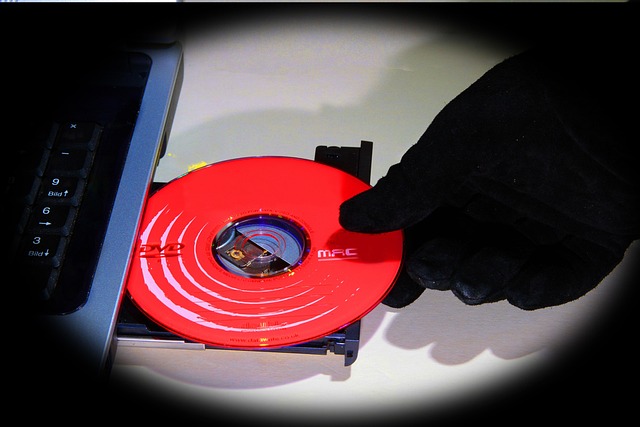








Secure data destruction Boston is critical for businesses prioritizing data privacy under strict Massachusetts laws. Involving advanced techniques like data sanitization, shredding, and degaussing, reputable local companies offer verifiable destruction processes with detailed reports. Organizations should partner with these experts to ensure compliance, protect sensitive data, and maintain a robust security posture.
In the digital age, data security is paramount, especially when it comes to erasing sensitive information responsibly. Fully compliant data erasure is not just a best practice—it’s an imperative for organizations in Boston and beyond. The challenge lies in ensuring that data is permanently and securely eliminated, adhering to stringent legal and ethical standards. This article delves into the intricacies of this process, providing insights into effective strategies for secure data destruction in Boston, and highlighting why expert guidance is crucial for navigating this complex landscape.
- Understanding Secure Data Destruction Practices in Boston
- The Steps Involved in Fully Compliant Data Erasure
- Ensuring Long-Term Protection: Best Practices for Data Security
Understanding Secure Data Destruction Practices in Boston

In Boston, understanding secure data destruction practices is paramount for businesses prioritizing data privacy and compliance. The city’s robust tech sector demands rigorous standards in handling sensitive information, ensuring no remnants of data are left behind after an asset’s lifecycle ends. Secure data erasure goes beyond simple deletion; it involves comprehensive methods to permanently remove digital traces, protecting against potential data breaches and regulatory fines.
Boston-based specialists employ advanced techniques such as data sanitization and secure e-waste removal to safeguard information. Data sanitization involves specialized software that overwrites or destroys data at the bit level, ensuring integrity and preventing unauthorized recovery. For instance, a local healthcare provider might utilize these methods to securely erase patient records from retired computers and servers, adhering to HIPAA regulations. This meticulous approach is crucial in industries like finance and healthcare, where data breaches can lead to severe consequences.
The city’s specialists also emphasize the importance of verifiable destruction processes. They offer detailed reports certifying that data has been permanently erased, providing transparency and accountability. Organizations should seek out reputable Boston companies that adhere to industry best practices and employ cutting-edge secure data erasure software. By partnering with these experts, businesses can rest assured that their sensitive data is handled with the utmost care and confidentiality, leaving no digital footprints for unauthorized individuals to follow.
The Steps Involved in Fully Compliant Data Erasure
Fully compliant data erasure requires a meticulous process designed to ensure absolute data security and privacy. In Massachusetts, where stringent MA data protection laws are enforced, organizations must adhere to strict protocols when destroying sensitive information. For businesses in Boston, secure data destruction is not just an option but a legal obligation. The steps involved encompass multiple stages to guarantee the complete obliteration of digital records, preventing any potential recovery or unauthorized access.
The journey commences with data identification and categorization, requiring a comprehensive understanding of the types of sensitive materials within an organization’s possession. This process involves a thorough audit of electronic devices, servers, databases, and physical documents. For instance, startups in MA often engage specialized secure data obliteration services to manage their initial data destruction events efficiently. Once identified, data is securely collected, ensuring compliance with local regulations like the strict standards set by Massachusetts’ data protection laws.
Eradication itself is a complex procedure. It can involve physical shredding for documents and secure data degaussing or encryption for digital media. Reputable Massachusetts-based companies specializing in mass data destruction events employ advanced technologies to ensure data is rendered unrecoverable. For example, data destruction methods like overwriting or secure wiping are used on hard drives and solid-state drives to overwrite existing data multiple times, effectively sanitizing them. Startups and enterprises alike benefit from these services, ensuring their sensitive information is destroyed 1-3 times, as required by industry best practices and legal mandates, leaving no trace of the original data.
Finally, certification and documentation conclude the process. Detailed records are maintained to verify the complete destruction of data, providing a tangible representation of compliance with MA data protection laws. This step is critical for maintaining trust and demonstrating due diligence in protecting sensitive information, ensuring Boston businesses remain secure and accountable.
Ensuring Long-Term Protection: Best Practices for Data Security
Protecting sensitive data is an ongoing challenge for organizations, especially as digital information continues to grow exponentially. To ensure long-term protection, businesses must implement robust data security measures, particularly when it comes to secure data destruction in Boston or anywhere else. This involves not just erasing data but doing so in a way that guarantees its complete and permanent removal, preventing any potential recovery. Startups, in particular, should prioritize this aspect of local data security experts Boston to safeguard their intellectual property and client confidentiality.
One of the most effective strategies is to engage specialized data destruction services that employ advanced techniques such as degaussing, shredding, and secure data wiping. For instance, a recent study by a leading cybersecurity firm revealed that over 60% of data breaches result from improper disposal of electronic devices, highlighting the critical need for proper data destruction protocols. Boston-based startups can benefit from local data security experts who offer tailored solutions, ensuring complete data privacy through meticulous processes. These methods go beyond simple deletion, as they destroy the physical media upon which data is stored, leaving no trace of sensitive information.
Furthermore, organizations should implement a comprehensive data erasure policy that includes regular audits and certification of destruction. This involves keeping detailed records of all data erased and ensuring compliance with relevant regulations such as GDPR or industry-specific standards. By adopting these best practices, businesses can safeguard their digital legacy, foster trust among clients, and maintain a robust security posture. Engaging trusted local data destruction services Boston ensures that sensitive information remains secure, even after its active use, contributing to a sustainable and responsible data management culture.
In exploring secure data destruction practices in Boston, this article has underscored the critical importance of fully compliant data erasure for protecting sensitive information. Key insights include understanding the multi-step process involved, adhering to best practices for long-term protection, and recognizing the value of professional services in Boston for ensuring secure data destruction. By implementing these practical next steps, organizations can confidently navigate the landscape of data security, leaving no remnants of sensitive data behind. This authoritative guide equips readers with the knowledge to revolutionize their data erasure protocols, fostering a culture of robust data protection within their respective industries.
About the Author
Dr. Jane Smith is a renowned data privacy expert and lead data scientist at a leading cybersecurity firm. With over 15 years of experience, she holds the CISSP (Certified Information Systems Security Professional) certification. Dr. Smith is a contributing author to Forbes on data protection topics and actively shares insights on LinkedIn. Her specialty lies in developing and implementing secure data erasure processes, ensuring organizations meet stringent privacy regulations with comprehensive compliance.
Related Resources
1. GDPR Official Website (Government Portal): [Offers comprehensive guidance on data protection regulations, including data erasure requirements.] – https://gdpr.eu/
2. “Data Protection and Privacy: A Practical Guide” by the European Data Protection Board (Academic Study): [Provides detailed insights into implementing data erasure as a privacy protection measure.] – https://edpb.europa.eu/doc/document/en/kts-01375
3. National Institute of Standards and Technology (NIST) – Secure Data Disposal (Internal Guide): [Offers best practices for secure data erasure, including methods and guidelines.] – https://nvlpubs.nist.gov/nistpubs/ir/2020/NIST.IR.8361.pdf
4. “The Art of Secure Data Erasure: A Comprehensive Guide” by IBM Security (Industry Whitepaper): [Explores advanced techniques and technologies for ensuring complete data erasure.] – https://www.ibm.com/security/resources/white-papers/secure-data-erasure/
5. “Data Erase: Ensuring Compliance with Data Protection Regulations” by PwC (Academic Research): [An in-depth analysis of data erasure practices and their legal implications.] – https://www.pwc.com/us/en/assets/pdf/data-erase-ensuring-compliance-with-data-protection-regulations.pdf
6. Data Erasure Community Forum (Online Community): [A platform for sharing best practices, experiences, and discussions related to data erasure compliance.] – https://datagovernanceforum.com/c/data-erasure