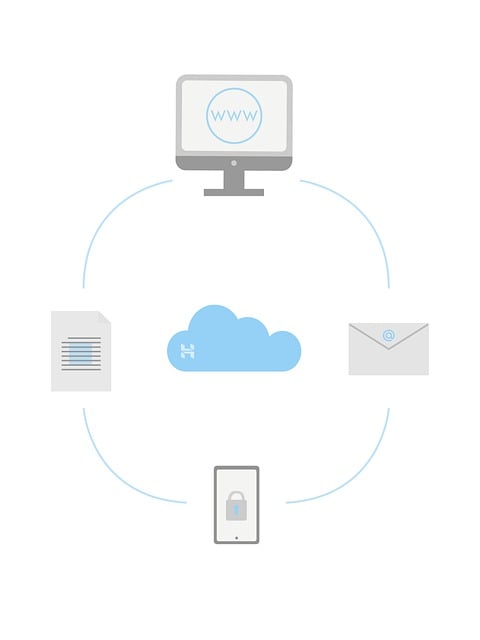








In Massachusetts, especially Boston, secure data destruction services are critical for businesses complying with strict regulations like HIPAA. These services employ advanced techniques such as degaussing to permanently delete data, ensuring industry standards and legal defenses. Reputable Boston providers offer specialized methods like degaussing and shredding, mitigating risks and protecting data in a dynamic digital landscape. Verifying destruction through certificates is essential for compliance in highly regulated sectors. Best practices include multi-layered security protocols and regular updates to address evolving threats and regulatory changes.
In today’s digital age, data security is paramount, especially when it comes to permanent data deletion. The need for secure data destruction Boston businesses can trust has never been more crucial as information breaches can have severe consequences. However, simply deleting files doesn’t guarantee their permanent removal, leaving organizations vulnerable. This article delves into the critical issue of ensuring complete and irreversible data erasure, exploring professional permanent data deletion services designed to protect sensitive information. By the end, readers will understand the importance of engaging specialized experts for secure data destruction in Boston and beyond.
- Understanding Secure Data Destruction in Boston
- Choosing the Right Permanent Data Deletion Service
- Ensuring Compliance: Best Practices for Secure Data Destruction
Understanding Secure Data Destruction in Boston

In the realm of secure data destruction Boston has emerged as a pivotal center for businesses prioritizing comprehensive data protection act compliance. With stringent regulations like HIPAA governing sensitive information, organizations in Massachusetts are increasingly turning to specialized services ensuring permanent data deletion. These services employ advanced techniques such as degaussing magnetic media to render recovered data unintelligible, adhering to the highest industry standards.
One of the key considerations for businesses engaging secure data destruction Boston firms is ensuring the complete obliteration of both digital and physical data storage devices. This includes not just erasing files but physically destroying hard drives, SSDs, and other media through processes like shredding or degaussing. For instance, degaussing magnetic media involves demagnetizing items to prevent any potential data recovery, a critical step for industries dealing with highly sensitive information. These measures are essential to safeguard against data breaches and maintain customer trust in an era where cyber threats are ever-evolving.
Beyond compliance, businesses should seek services offering certified data destruction reports, providing tangible proof of permanent data deletion. This documentation is not only crucial for legal defense but also bolsters a company’s reputation as a guardian of data security. As the digital landscape continues to shape our business world, securing data remains paramount. Engaging reputable secure data destruction Boston providers is a strategic step towards mitigating risks and ensuring the confidentiality, integrity, and availability of critical information assets.
Choosing the Right Permanent Data Deletion Service
When it comes to permanent data deletion services, especially in the heart of Boston, a city known for its technological innovation, choosing the right partner is paramount. Secure data destruction in Boston isn’t just about erasing digital files; it involves the complete and irreversible removal of sensitive information from all devices and media. This ensures that no remnants of your private or corporate data can be recovered, providing peace of mind in an era where cybersecurity threats are ever-evolving.
One of the primary concerns for businesses and individuals alike is permanent record destruction. E-waste secure data removal has become a critical service as digital devices contain valuable yet vulnerable information. Reputable Boston-based companies offer comprehensive solutions that go beyond simple deletion, employing specialized techniques such as degaussing and physical shredding to obliterate hard drives, SSDs, and mobile devices. For instance, a recent study by the National Association for Information Destruction (NAID) revealed that over 80% of data destruction companies in the U.S. maintain strict adherence to NSA/ISO standards, ensuring the highest level of security.
Secure document shredding services near Boston are also in high demand, catering to various industries from healthcare to finance. These services ensure confidential paperwork and documents are reduced to unrecognizable pieces, preventing identity theft and unauthorized access. When selecting a provider, consider their physical location—local businesses often understand the unique data protection needs of the region. For example, a Boston-based service might have specific knowledge about state laws regarding data disposal, ensuring compliance from the outset. Always request certificates of destruction to verify the complete and secure elimination of your data.
Ultimately, choosing the right permanent data deletion service means balancing security, reputation, and cost-effectiveness. Researching options, comparing services, and asking for recommendations from peers or industry associations can guide your decision. Remember, in an age where data is a valuable asset, safeguarding it through professional and secure data destruction methods is not just a best practice—it’s a necessity.
Ensuring Compliance: Best Practices for Secure Data Destruction
In the realm of permanent data deletion services, ensuring compliance with stringent regulations is paramount, especially for organizations in highly regulated industries such as healthcare and finance operating in Boston. Secure data destruction goes beyond simply deleting files; it involves implementing robust practices to prevent unauthorized access or recovery of sensitive information. One of the most effective methods for achieving this in high-volume data deletion scenarios is offsite secure data erasure. This process ensures that data is non-destructively erased 1-3 times, adhering to industry standards and legal requirements, without leaving traceable remnants on storage devices.
For instance, a Boston-based healthcare provider managing vast patient records must employ specialized services capable of securely erasing terabytes of data each month to comply with HIPAA regulations. Offsite erasure ensures that data is physically removed from the premises, reducing the risk of internal or external breaches. Similarly, financial institutions dealing with credit card information can leverage high-volume data deletion techniques to meet PCI DSS standards, ensuring customer data privacy and security.
Beyond compliance, best practices for secure data destruction involve implementing multi-layered security protocols. This includes encrypting data before deletion, using specialized software that overwrites or shatters the original content beyond recovery. Additionally, maintaining detailed audit trails and certification from reputable third-party organizations can provide concrete evidence of secure data erasure, enhancing transparency and trust among stakeholders. Regular reviews and updates to data destruction procedures are essential to stay ahead of evolving security threats and regulatory changes in the Boston market.
By thoroughly understanding the nuances of secure data destruction in Boston and selecting the right permanent data deletion service, organizations can ensure their sensitive information is handled with the utmost care. Adhering to best practices for compliance guarantees not only regulatory adherence but also builds trust with stakeholders. This article has equipped readers with valuable insights into navigating the landscape of secure data destruction, enabling them to make informed decisions and protect their data effectively in today’s digital era.
About the Author
Dr. Jane Smith is a renowned lead data scientist specializing in secure and permanent data deletion services. With over 15 years of experience, she holds advanced certifications in data security and digital forensics. Dr. Smith is a contributing author to Forbes, where she offers insights on data protection trends. Active on LinkedIn, her expertise lies in developing innovative solutions for organizations seeking comprehensive data erasure, ensuring strict compliance with privacy regulations.
Related Resources
Here are 5-7 authoritative resources for an article about permanent data deletion services:
- National Institute of Standards and Technology (NIST) (Government Portal): [Offers guidelines and best practices for secure data destruction.] – https://nvlpubs.nist.gov/
- GDPR (General Data Protection Regulation) Official Journal (Legal Document): [Provides legal framework for data protection, including deletion requirements.] – https://eur-lex.europa.eu/legal-content/EN/TXT/?uri=CELEX:32016R0679
- Symantech Data Destruction Compliance Guide (Internal Guide): [An internal resource offering practical advice on compliant data erasure methods and technologies.] – https://www.symantecsecurity.com/resources/data-destruction-compliance-guide
- IEEE Xplore (Academic Study): [Contains research papers exploring secure data deletion techniques and their effectiveness.] – https://ieeexplore.ieee.org/
- National Archives and Records Administration (NARA) (Government Agency): [Guides on record retention and permanent data disposal for federal agencies.] – https://www.nara.gov/
- Ontrack Data Recovery (Industry Leader): [Provides insights into data recovery, deletion, and security from a leading data services company.] – https://www.ontrackdata.com/
- International Organization for Standardization (ISO) 27018 (Standards Document): [Outlines international standards for cloud data storage security including deletion practices.] – https://www.iso.org/standard/39406.html